


Introduction: The Human Cost of Documentation Overload
“I became a therapist to help kids, not to drown in documentation.”
It’s late. You’re staring at your laptop long after your last session ended, trying to finish yet another report.
You’re behind on IEP notes, your inbox is full, and tomorrow’s schedule already feels impossible.
It’s not the children burning you out.
It’s the invisible load—the relentless documentation, rigid timelines, and high caseloads that leave no room to breathe, reflect, or recharge.
According to the National Alliance on Mental Illness (NAMI), prolonged exposure to excessive workload and documentation can lead to emotional and physical exhaustion—classic signs of professional burnout.
But here’s the truth: it doesn’t have to stay this way.
Models like early psychosis intervention programs have shown that when systems are proactive, outcome-focused, and digitally supported, both clients and providers thrive. When paperwork becomes easier, care becomes better.
That said, this article is for you—the therapist who’s tired but still trying.
We’ll explore how early intervention programs can protect your well-being by streamlining paperwork and implementing smarter systems that give you back what matters most: time, energy, and the space to do the work you love.
What Burnout Looks Like in Early Intervention Settings

Burnout in early intervention isn’t just feeling tired at the end of a long week—it’s a slow drain on motivation, joy, and capacity.
You know this feeling.
You sit down to write notes at the end of the day, but your brain is foggy. The words blur. You stare at the screen, knowing it’ll take twice as long because your heart just isn’t in it anymore.
You care deeply about your work—but you’re running on empty.
Burnout in early intervention isn’t just physical tiredness. It’s emotional exhaustion, where even the smallest task feels overwhelming. It’s detachment, when you find yourself going through the motions because staying connected feels like too much.
And it’s that sinking feeling of ineffectiveness, where no matter how hard you try, it feels like you’re barely keeping up.
You’re not alone.
Across early childhood settings, burnout is leading to:
- High turnover – Up to 12% annually for special educators and therapists
- Decreased quality of care – When you’re stretched too thin, it’s hard to be present and creative in sessions
- Delayed or incomplete IEP tracking – You want to give every child your full attention, but the paperwork gets in the way
- Broken trust with families – You care, but you don’t have the time or energy to always show it the way you want to
And the hardest part? Burnout doesn’t just affect you—it affects the kids.
It delays services. It fragments communication. And it chips away at the very system meant to protect the most vulnerable.
But, with the right tools and systems in place, your workload can feel lighter. Your sessions can become more intentional, and your care more sustainable.
5 Research-Backed Strategies to Streamline Paperwork
1. Adopt Digital IEP and Reporting Tools
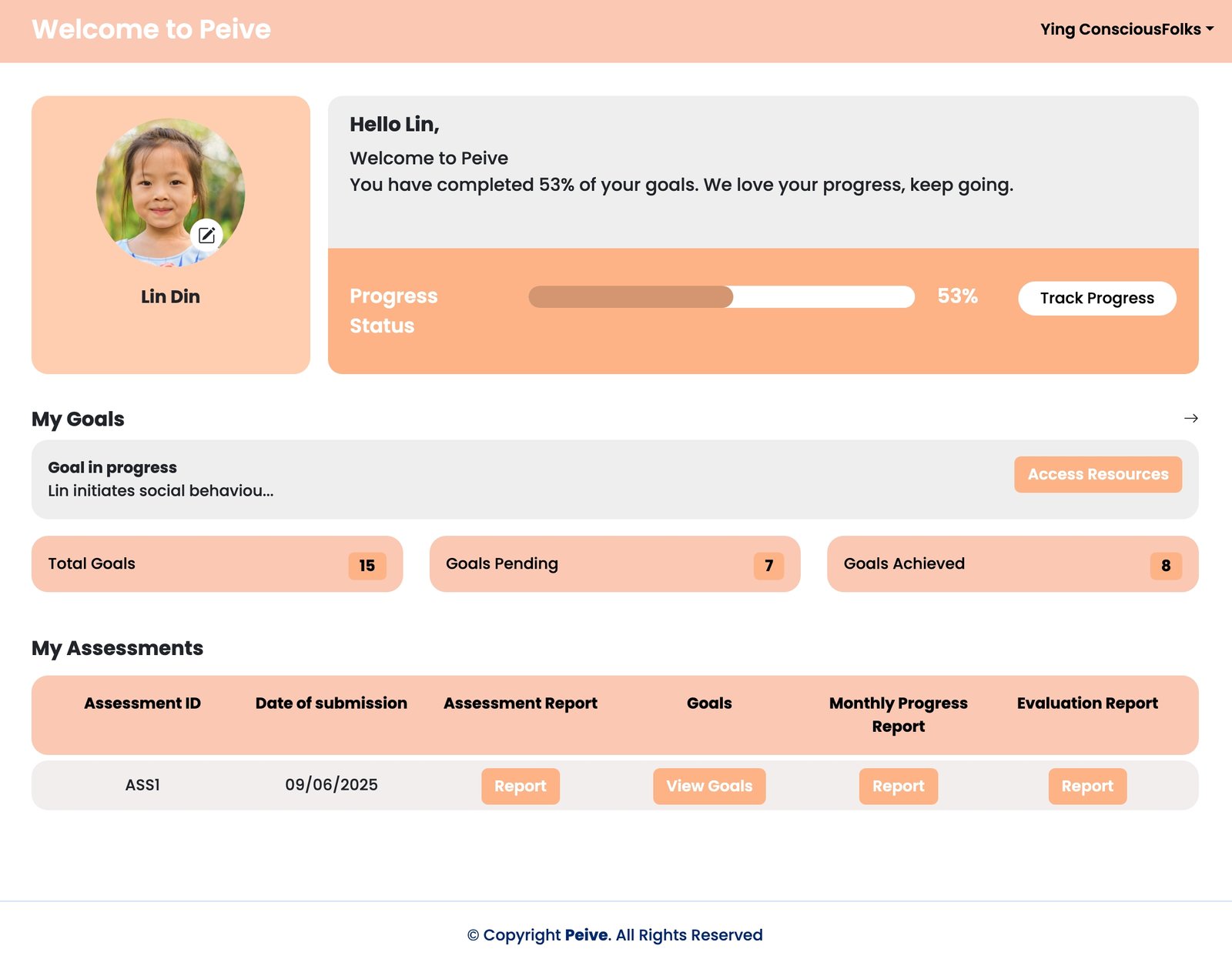
Let’s face it—writing the same thing three different times in three different places isn’t helping anyone.
And yet, that’s exactly what happens in many early intervention programs still relying on outdated systems.
Digital IEP platforms can change that.
Instead of duplicating information, manually updating reports, or chasing reminders, you enter progress once—and it flows across everything: reports, dashboards, and communication logs.
? Tip: Look for platforms that offer customizable IEP templates, live progress dashboards, and secure collaboration tools that connect staff and families in real time. Tools like PEIVE are built specifically for early intervention workflows.
2. Use Structured Templates for Notes (SOAP/BIRP)
If writing session notes feels like starting from scratch every time, you’re not alone. Free-form narratives can drain your energy—and your time.
Using structured, evidence-based formats like SOAP (Subjective, Objective, Assessment, Plan) or BIRP (Behavior, Intervention, Response, Plan) makes writing notes faster and more focused.
In fact, studies suggest that structured note-taking formats like DAP reduce cognitive load and help clinicians complete reports more efficiently than open-ended notes.(Spry, 2021).
? Tip: Choose one format across your center and train your team to use it consistently. When everyone speaks the same documentation language, everything runs smoother.
3. Batch Documentation Tasks

Jumping from therapy to paperwork to parent updates—then back again—isn’t just tiring. It’s mentally exhausting.
Instead of multitasking all day, try batching your documentation into focused time blocks. You’ll get more done, feel less scattered, and reduce the anxiety of always playing catch-up.
Here’s what that might look like:
- Fridays, 2–3 p.m.: Progress report writing
- Mondays: Family email check-ins and session updates
- Midweek mornings: Review and prep for IEPs
? Tip: Block out “quiet time” in your schedule where you’re not available for sessions, emails, or interruptions. You deserve space to think, write, and breathe.
4. Automate Parent Communication

How many hours have you spent sending the same reminders over and over—IEP meetings, session summaries, “just checking in” messages?
Now imagine if those could go out automatically, without you having to lift a finger—and still sound like they came from you.
With the right tools, you can automate:
- IEP meeting reminders
- Weekly progress updates
- Appointment confirmations or cancellations
This doesn’t just save you time—it helps families feel more connected and informed.
When updates are consistent and available in multiple languages, parents are more likely to stay engaged in their child’s progress.
? Tip: Tools like PEIVE, SimplePractice, or Eleos Health can handle the routine communication—securely and professionally—so you can focus on the real conversations that matter.
5. Make Documentation a Team Effort
You don’t have to do it all alone.
Sure, you’re the one delivering care—but that doesn’t mean you have to be the only one typing up every note, organizing every progress report, or chasing every data point.
Think of documentation as a shared responsibility, not a solo mission. When your team works together, the load feels lighter—and the quality often improves, too.
Here’s what shared documentation can look like:
- Assistants or paraprofessionals helping with initial data entry
- Therapists co-writing sections of reports or sharing observation notes
- Admin or IEP coordinators handling formatting, submission, and follow-up
? Tip: Try rotating certain documentation tasks within your team or pairing up for peer review. You’ll catch gaps, improve accuracy, and maybe even make the process a little more human.
Why It Matters: Impact on Children

Burnout doesn’t just harm therapists—it harms children.
When therapists are overwhelmed:
- Delays in language development and academic skills grow
- Emotional regulation and behavior challenges increase
- Collaboration with families weakens
Research shows that early intervention outcomes suffer when provider stress is high. In contrast, when providers feel supported:
- Children receive more timely, targeted interventions
- Data is used more meaningfully to inform care
- Trust with families strengthens
As we know, language isn’t just about speech—it affects emotional expression, learning, and relationships. By protecting therapists from burnout, we support the whole child.
Conclusion: Care for Caregivers, Care for Kids
Reducing paperwork isn’t just about making life easier for therapists—it’s about protecting the quality of care children receive.
When therapists are burned out, overloaded, or constantly behind, it becomes harder to be present, creative, and responsive in the ways children need most. But when systems are designed to support them—through automation, structure, and shared responsibility—everything changes.
Digitized IEPs. Streamlined notes. Protected time for documentation. These aren’t luxuries—they’re lifelines.
Because when therapists have space to breathe, reflect, and focus, their impact deepens. Their sessions feel lighter. Their energy returns. And the children in their care? They feel that difference, too.
You chose this work to help children grow.
Let’s build systems that help you stay strong while doing it.