

As a preschool administrator or early childhood educator, you’ve likely felt it—that quiet concern when a child isn’t quite meeting milestones, withdraws during group play, or struggles to follow routines no matter how gently they’re guided.
These aren’t just one-off challenges.
They’re the moments that spark bigger questions: Are we doing enough? How can we help—not just this child, but every child who might be falling through the cracks?
That’s where early intervention comes in.
What is an early intervention program—and how can it work in a preschool setting without overwhelming your team?
That question is at the heart of this guide.
In the sections that follow, we’ll walk you through a practical, research-backed approach to setting up an early intervention program in your preschool—one that supports your teachers, builds trust with families, and most importantly, helps every child thrive.
Understanding What an Early Intervention Program Is
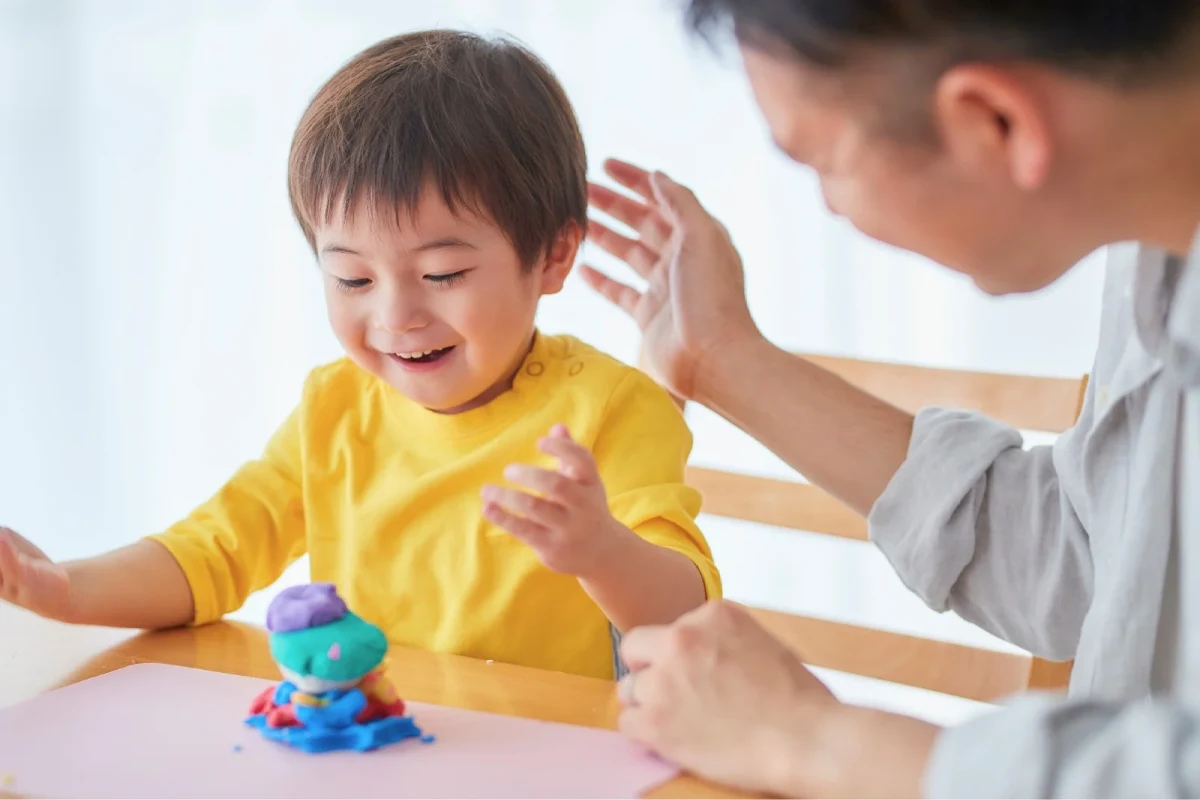
Before you can build a system that truly supports your children and staff, it’s essential to understand exactly what early intervention means in a preschool setting—and what it’s not.
Early intervention refers to a coordinated set of services designed for children aged 0 to 6 who show signs of developmental delays in areas such as speech and language, motor skills, cognition, behavior, or emotional regulation. These aren’t just clinical interventions—they’re proactive steps embedded into everyday routines and learning environments.
According to the Center for Parent Information and Resources, early intervention is covered under Part C of the Individuals with Disabilities Education Act (IDEA). Services can begin even before a formal diagnosis, based on developmental concerns raised by educators or caregivers.
At its core, early intervention recognizes that the brain develops fastest in the first five years of life. Support given during this window doesn’t just address immediate concerns—it shapes a child’s long-term ability to learn, connect, and thrive.
Understanding this allows you to shift your mindset: an early intervention program isn’t just for “some” children—it’s a proactive support system that helps all children flourish, especially when those first signs of struggle begin to emerge.
Why Preschools Are Ideal for Early Intervention
If you’re running a preschool, you’re not just offering early education—you’re creating one of the most powerful environments for identifying and addressing developmental needs early.
But why are preschools uniquely suited to deliver early intervention?
According to the Centers for Disease Control and Prevention (CDC), 90% of a child’s brain development happens before the age of 5.
That means the window for building critical skills—communication, motor coordination, self-regulation, and social interaction—is wide open during the preschool years.
In a preschool setting, early intervention isn’t an add-on. It’s a natural extension of what’s already happening every day:
- Ongoing observation: Educators interact with children across multiple activities and routines, giving them a front-row seat to each child’s development.
- Consistent structure: Daily routines help identify patterns—and spot when something seems off.
- Rich social and sensory environments: Group play, storytime, and guided tasks all reveal how a child navigates their world.
- Strong family relationships: Preschool staff often build trusted connections with families, making it easier to have open, honest conversations about concerns.
When early intervention is embedded into the preschool experience, support happens in the child’s natural environment—where they’re already learning, playing, and forming relationships. It means less disruption, more consistency, and a better chance of meaningful progress.
Simply put: your preschool is already an early detection system.
Setting up a formal intervention program just gives your team the tools, language, and structure to act on what you’re already noticing—with more confidence and clarity.
Building the Right Team: Professionals You’ll Need

Early intervention doesn’t rest on the shoulders of one teacher—it thrives through collaboration.
To make it work in your preschool, you’ll need a coordinated, multidisciplinary team that brings diverse expertise together with a shared purpose: helping each child progress.
Here’s a breakdown of the key professionals and what they contribute:
- Speech-language pathologists (SLPs): Support children with challenges in speech, understanding, and communication—foundational skills for learning and social interaction.
- Occupational or physical therapists: Help children develop motor skills, coordination, and independence in everyday activities like writing, feeding, or navigating the classroom.
- Developmental psychologists or behavior analysts: Offer strategies for emotional regulation, behavioral challenges, and social-emotional growth—particularly vital for children who struggle with transitions or peer interaction.
- IEP coordinators or intervention specialists: Ensure goals are personalized, trackable, and realistic. They help bridge communication between families, therapists, and teaching staff.
According to best practices recommended by early childhood intervention frameworks (e.g., DEC Recommended Practices, IDEA Part C guidelines), cross-disciplinary collaboration leads to stronger, more consistent outcomes across home, school, and therapy.
But it’s not just about qualifications—it’s about culture.
A great early intervention team communicates openly, respects each role, and always centers the child’s needs. Even a small team can be powerful when it’s united, coordinated, and responsive.
Start small if needed—but start together. And as your program grows, scale thoughtfully, keeping collaboration at the heart of everything you build.
Screening and Referral Processes
Spotting a developmental concern is only the beginning. What happens next—how your team responds—is what defines a strong early intervention program.
That’s why your screening and referral system is so important. It gives educators a clear process to follow, ensures no concern gets lost in the shuffle, and builds trust with families by showing that action is timely, structured, and compassionate.
Start by incorporating validated developmental screening tools, such as:
- Ages & Stages Questionnaires (ASQ-3): A parent-completed tool that helps identify delays in communication, motor, problem-solving, and social-emotional areas.
- Devereux Early Childhood Assessment (DECA): Focuses on protective factors like attachment, self-regulation, and initiative—particularly helpful for social-emotional screening.
According to the Enabling Guide, regular screenings not only lead to earlier identification of developmental needs, but also create smoother transitions into support services when referrals are needed.
Digital tools—like PEIVE—can make this process even easier, with:
- Paperless assessments that are parent- or teacher-friendly
- Automated reminders for follow-ups and re-screening timelines
- Centralized dashboards so your team can monitor a child’s progress collaboratively
When your screening and referral process is standardized and transparent, it does more than flag concerns—it gives educators confidence and provides families with reassurance that your center is proactive, prepared, and truly invested in each child’s development.
Integrating IEPs and Developmental Goals into the Classroom
IEPs aren’t just for primary schools. In preschool, they serve as flexible blueprints that blend support with play.
Each child receiving intervention should have goals written into a child-specific plan. These are often called IEPs or IFSPs (Individualized Family Service Plans), depending on your country or system.
According to the U.S. Department of Education, IEPs must be tailored to each child’s specific delays and adjusted regularly. Goals should:
- Be clear and measurable
- Fit naturally into daily classroom routines
- Be revisited every 8–12 weeks
When IEPs are part of daily routines, they stop feeling like extra work—and start producing real developmental progress.
Empowering and Training Your Teaching Staff

Your educators are more than teachers—they’re your first line of observation, support, and communication.
If they feel underprepared or unsure, even the best-designed early intervention program can falter.
But when they’re trained, supported, and confident, the entire system becomes stronger—and so do your outcomes.
According to the Early Childhood Technical Assistance Center (ECTA), coaching-based professional development—not just one-off workshops—leads to the strongest long-term impact in early childhood settings.
Here’s what effective early intervention training for teaching staff can include:
- Ongoing professional development on developmental milestones, early red flags, and how to respond with age-appropriate strategies
- Peer coaching and reflective supervision that fosters growth through observation, feedback, and shared learning
- Access to practical, classroom-based strategies aligned with common IEP goals (e.g., communication supports, sensory routines, transition tools)
When teachers understand how to observe, document, and support developmental needs, they don’t just refer concerns—they participate in progress.
👉 If you’re just starting out, consider these first steps:
- Schedule an in-service session on developmental red flags and when to escalate.
- Assign a mentor or lead teacher to model IEP-friendly routines in real time.
- Choose one classroom strategy to introduce across all age groups (e.g., visual schedules, choice boards).
- Use a digital platform like PEIVE to make IEP goals visible and trackable across your team.
Empowering your staff doesn’t mean overwhelming them. Start with one area. Make it visible. Reflect together. That’s how confidence builds—and how early intervention becomes part of your culture, not just your paperwork.
Collaborating with Families

Not all parents know how to help right away—but when supported, they can become some of the most powerful partners in a child’s progress.
According to the Parent Center Hub, children make significantly more progress when caregivers are involved in planning and implementation.
In fact, research shows that family-centered early intervention leads to better communication outcomes, more consistent progress at home, and stronger emotional resilience in both children and parents.
To support this:
- Offer monthly or quarterly check-ins to review goals and share insights.
- Provide transparent progress updates in a way that’s jargon-free and actionable.
- Share multilingual handouts, video tutorials, and visual routines to meet diverse family needs.
- Use tools like PEIVE’s parent dashboard to give families real-time access to developmental goals, milestones, and suggested activities.
Empowering parents doesn’t mean adding pressure—it means giving them the tools to naturally reinforce learning during daily routines like mealtime, play, or bedtime.
When families feel informed, seen, and supported, they don’t just extend your work—they multiply its impact. Strong family collaboration turns your early intervention program into a true community of care.
Funding, Compliance, and Sustainability
A program built on grants alone can falter. Here’s how to make your model sustainable.
Explore:
- Government subsidies such as ECDA’s Development Support Programme (DSP) in Singapore
- Partnering with CSR initiatives or NGOs
- Tiered tuition options with optional intervention packages
According to Omega Qatar, funding sustainability improves when programs show transparency, measurable success, and family satisfaction.
Good programs survive a fiscal year. Great ones are built to grow. Future-proof your system from day one.
Conclusion: Lead the Change in Early Childhood
This guide began with a question: What is an early intervention program, and how do we make it work in preschool?
Now, you’ve seen the answer unfold—not just as a definition, but as a roadmap.
An early intervention program is more than a set of services. It’s a proactive, inclusive, and research-driven system designed to catch challenges early, offer targeted support, and foster meaningful collaboration between teachers, specialists, and families.
As a preschool leader, your ability to recognize developmental needs—and respond with structure, empathy, and innovation, can shape a child’s entire future.
By building the right team, embedding IEP goals into daily routines, creating clear screening systems, and embracing digital tools like PEIVE, you move beyond compliance, you lead transformation.
When you understand what early intervention program excellence looks like, you’re not just running a school. You’re creating a community where every child is seen, supported, and given the best start possible.
This is your opportunity to lead that change.
Start today—and help every child in your care grow, connect, and thrive.